Terraform vs. Manually Configuring Infrastructure: Why the Difference Matters More Than It Seems
Ciphemic Academia Team · 1 Sept 2026 · 7 min read
Terraform vs. Manually Configuring Infrastructure: Why the Difference Matters More Than It Seems
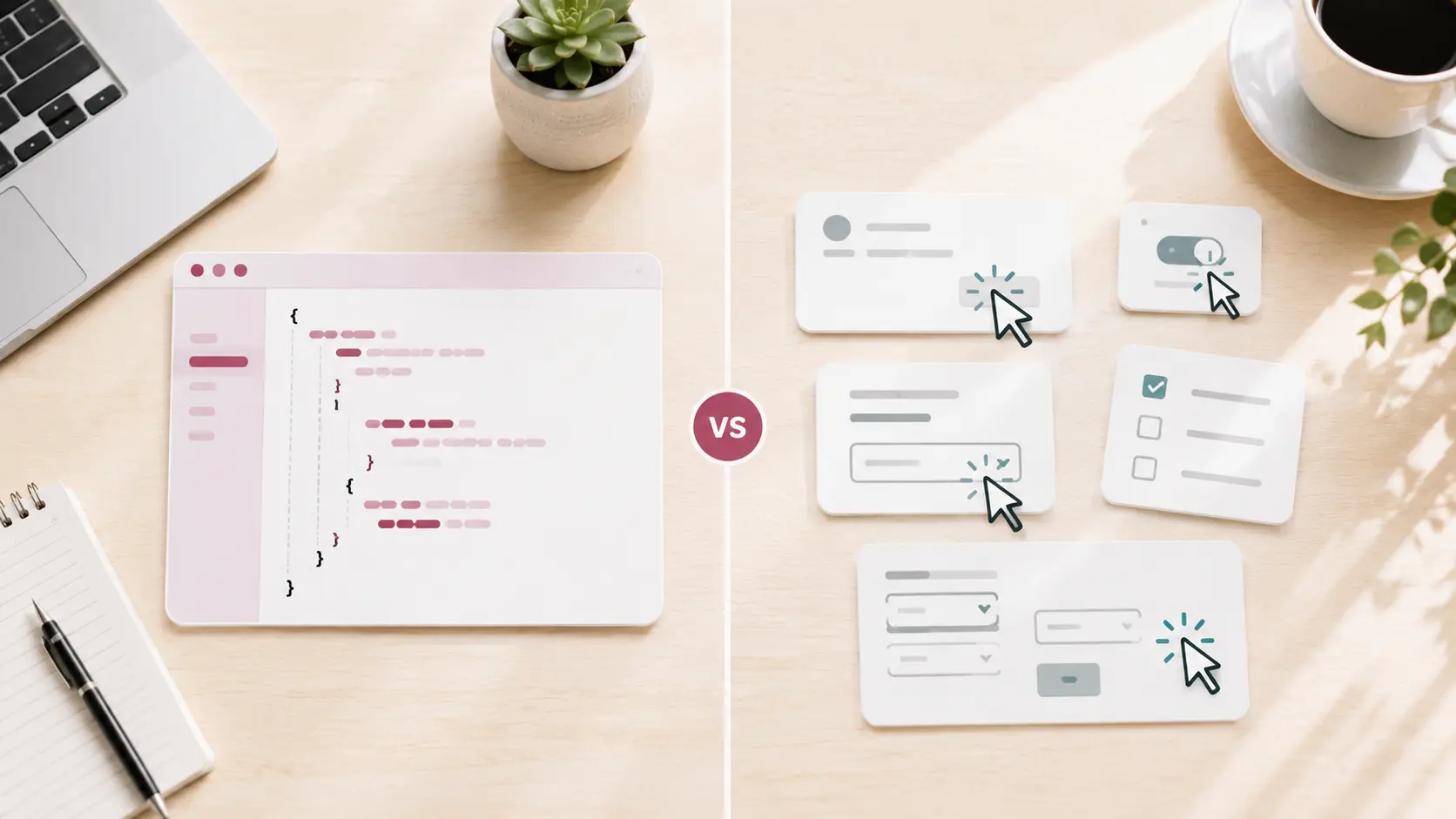
Clicking through a cloud console to create a server, a database, or a network is how almost everyone starts learning cloud infrastructure — it's intuitive, visual, and immediately understandable. It's also not how real infrastructure teams actually work, and understanding why is one of the clearer signals of whether someone has moved past beginner-level cloud skills.
This comparison isn't really "which tool is better" — Terraform doesn't compete with the cloud console the way Docker and Kubernetes are sometimes mistakenly framed as competitors. It's about understanding why infrastructure-as-code exists at all, and what specifically breaks down once you try to run real infrastructure manually.
What "Manual" Infrastructure Actually Means
Manually configuring infrastructure — sometimes called "ClickOps" — means creating and modifying cloud resources by clicking through a web console: spinning up a server here, adjusting a security group there, creating a database by filling out a form. It works, and for learning basic concepts or quick, disposable experiments, it's genuinely the right tool.
The problems show up as infrastructure grows past a single person's memory of what they clicked and why:
- No record of what was actually done — six months later, nobody (including you) can reliably explain why a particular setting is configured the way it is
- No repeatability — recreating the same environment for a second project, or a staging environment that matches production, means manually repeating every click, hoping nothing was missed
- No review process — a risky change made through a console happens immediately, with no step where a teammate reviews it before it takes effect
- No easy rollback — undoing a manual change means remembering exactly what was changed and manually reversing it, since there's no clean "previous version" to return to
What Terraform Actually Solves
Terraform lets you define infrastructure in code — readable configuration files that describe what your infrastructure should look like. Instead of clicking to create a server, you write a configuration file describing that server, and Terraform creates it for you. The genuine advantages line up directly against the manual approach's weaknesses:
- A real, version-controlled record — every change lives in Git, with a clear history of what changed, when, and (if commit messages are good) why
- Genuine repeatability — the same configuration can recreate an identical environment reliably, whether that's a second region, a staging environment, or disaster recovery — including containerizing what Terraform provisions so the workloads running on that infrastructure are just as reproducible
- A real review process — infrastructure changes can go through the same pull-request review process as application code, catching mistakes before they're applied
- Actual rollback capability — reverting to a previous configuration and reapplying it is a clean, reliable way to undo a change
Side-by-Side
| Manual (ClickOps) | Terraform | |
|---|---|---|
| Speed for one-off changes | Fast | Slower — requires writing/updating config first |
| Repeatability | Poor — relies on memory | Strong — same config, same result |
| Review process | None built-in | Can be reviewed like code, via pull requests |
| Audit trail | Weak — console logs at best | Strong — full Git history |
| Learning curve | Low | Moderate — a real skill to build |
| Appropriate for | Quick experiments, learning basic concepts | Any real, ongoing, or team-managed infrastructure |
When Manual Configuration Is Still the Right Call
It's worth being fair here: clicking through a console is genuinely the right approach for quickly testing a concept, learning what a specific cloud service even does, or a true one-off experiment you'll tear down in an hour. Terraform adds real overhead — writing and maintaining configuration takes more upfront time than a few clicks — and that overhead isn't worth paying for genuinely disposable, exploratory work.
The mistake isn't using the console occasionally. It's building anything meant to last, or anything a team depends on, entirely through manual clicks — and having no code, no record, and no repeatable path back to that exact configuration if something breaks or needs to be recreated.
Why This Distinction Matters for Employability
This is one of the clearer, more testable signals interviewers look for when evaluating cloud engineering candidates. A candidate who's only ever clicked through a console, even if they can describe cloud concepts correctly, hasn't experienced the specific problems infrastructure-as-code solves. A candidate who can describe a real time they tore down and rebuilt infrastructure from Terraform code — or caught a mistake in a pull-request review before it was applied — is demonstrating the actual working pattern real infrastructure teams use.
Frequently Asked Questions
Is it ever acceptable to use the console for production infrastructure?
Occasionally, for narrow emergency fixes where speed genuinely matters more than process — but even then, the change should typically be reflected back into the Terraform configuration afterward, so the code stays the accurate source of truth rather than drifting out of sync with what's actually deployed.
How much harder is Terraform to learn than just using the console?
There's a real learning curve — understanding configuration syntax, state management, and modules takes genuine time — but it's a moderate curve, not a steep one like Kubernetes. Most learners can reach real working comfort within a few weeks of consistent practice.
Does Terraform replace the need to understand the underlying cloud platform?
No — Terraform is a tool for managing infrastructure, not a substitute for understanding what that infrastructure actually does. Real Terraform proficiency assumes you already understand the cloud services you're provisioning; it doesn't teach those concepts for you.
What happens if the actual infrastructure and the Terraform code get out of sync?
This is called configuration drift, and it's a real, known problem — usually caused by someone making a manual change outside of Terraform. Part of genuine Terraform proficiency is knowing how to detect and resolve drift, which is itself a skill worth understanding, not just something to avoid entirely.
Learn Infrastructure-as-Code the Right Way
Ciphemic Academia's free Terraform roadmap and the broader Cloud Engineer roadmap are built around writing real, version-controlled infrastructure code — not clicking through a console and hoping you remember what you did. Start building infrastructure the way real teams actually manage it.
Building along with this?
Join the Ciphemic Academia Discord — share what you're working on, get unstuck, and see what others are building.